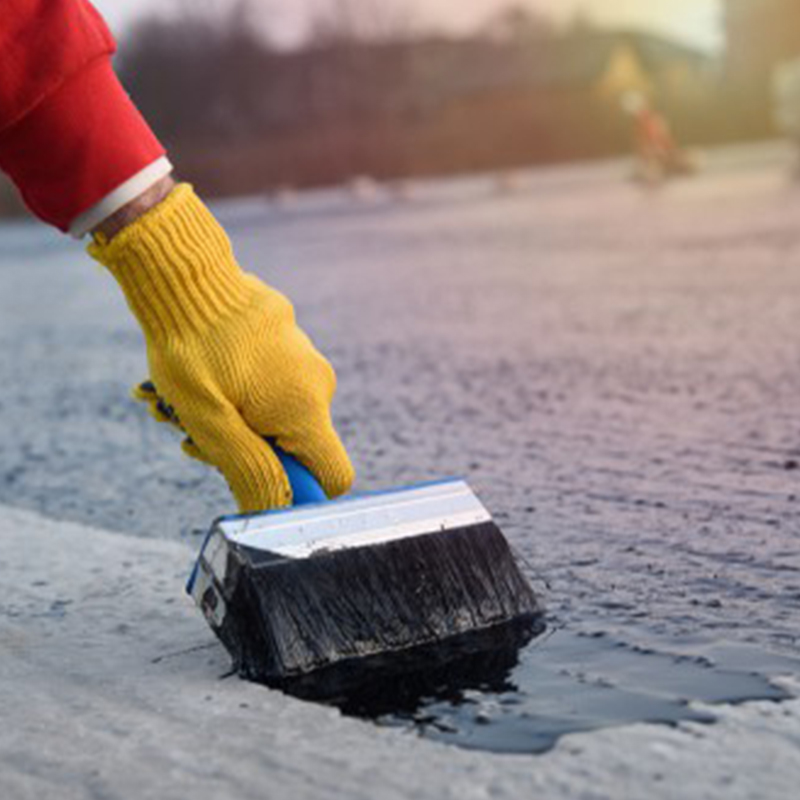
Waterproofing is one of the most critical steps in construction and maintenance, yet it’s often overlooked until problems arise. Whether it’s a home, commercial building, or large-scale infrastructure, water damage can compromise the structural integrity, cause costly repairs, and create unsafe living or working environments. Proper waterproofing ensures that walls, floors, and foundations remain protected against moisture intrusion, extending the life of the building while preserving its value.
Beyond durability, waterproofing also plays a vital role in comfort and health. Uncontrolled moisture can lead to mold growth, musty odors, and poor indoor air quality, all of which directly impact the well-being of occupants. By investing in reliable waterproofing solutions from the start, property owners can avoid these risks and enjoy a safe, dry, and long-lasting environment. In the long run, waterproofing isn’t just about protection—it’s about peace of mind.
Another important aspect of waterproofing is energy efficiency. When moisture seeps into a building, it can increase humidity levels and make temperature regulation more difficult. This often forces heating and cooling systems to work harder, leading to higher energy consumption and utility costs. A properly waterproofed structure helps maintain balanced indoor conditions, making the entire building more energy-efficient and environmentally friendly.
Finally, waterproofing should be seen as a long-term investment rather than an optional expense. The upfront cost of professional waterproofing is minimal compared to the potential losses from water-related damage, repairs, and downtime. From protecting valuable assets to ensuring the safety of people inside, the benefits far outweigh the risks of neglecting this essential step. In today’s world, where sustainability and resilience are key priorities, waterproofing stands as a foundation for both.